Timber Handling Equipment for Sawmills: What Northern Rivers Wood Processors Need in 2026
Sawmill operators in the Northern Rivers region of NSW face a distinct set of challenges when it comes to timber handling, and the right equipment choices in 2026 can make a significant difference to throughput, safety, and long-term profitability. This guide covers the key equipment categories every Northern Rivers wood processor should understand, how regional timber species influence those choices, what questions to ask a local supplier, and the red flags that appear in off-the-shelf solutions.
Why Northern Rivers Timber Species Shape Your Equipment Needs
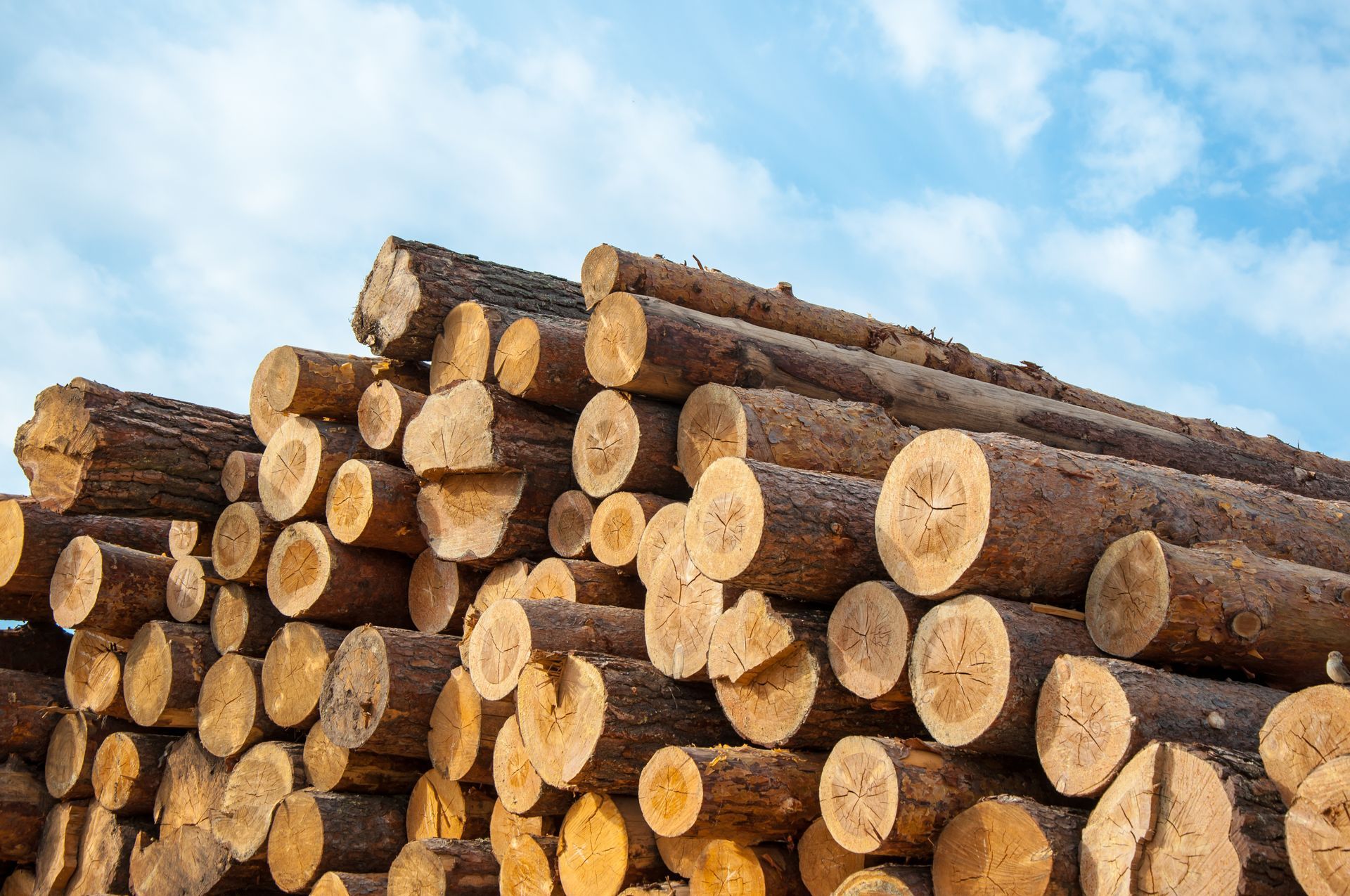
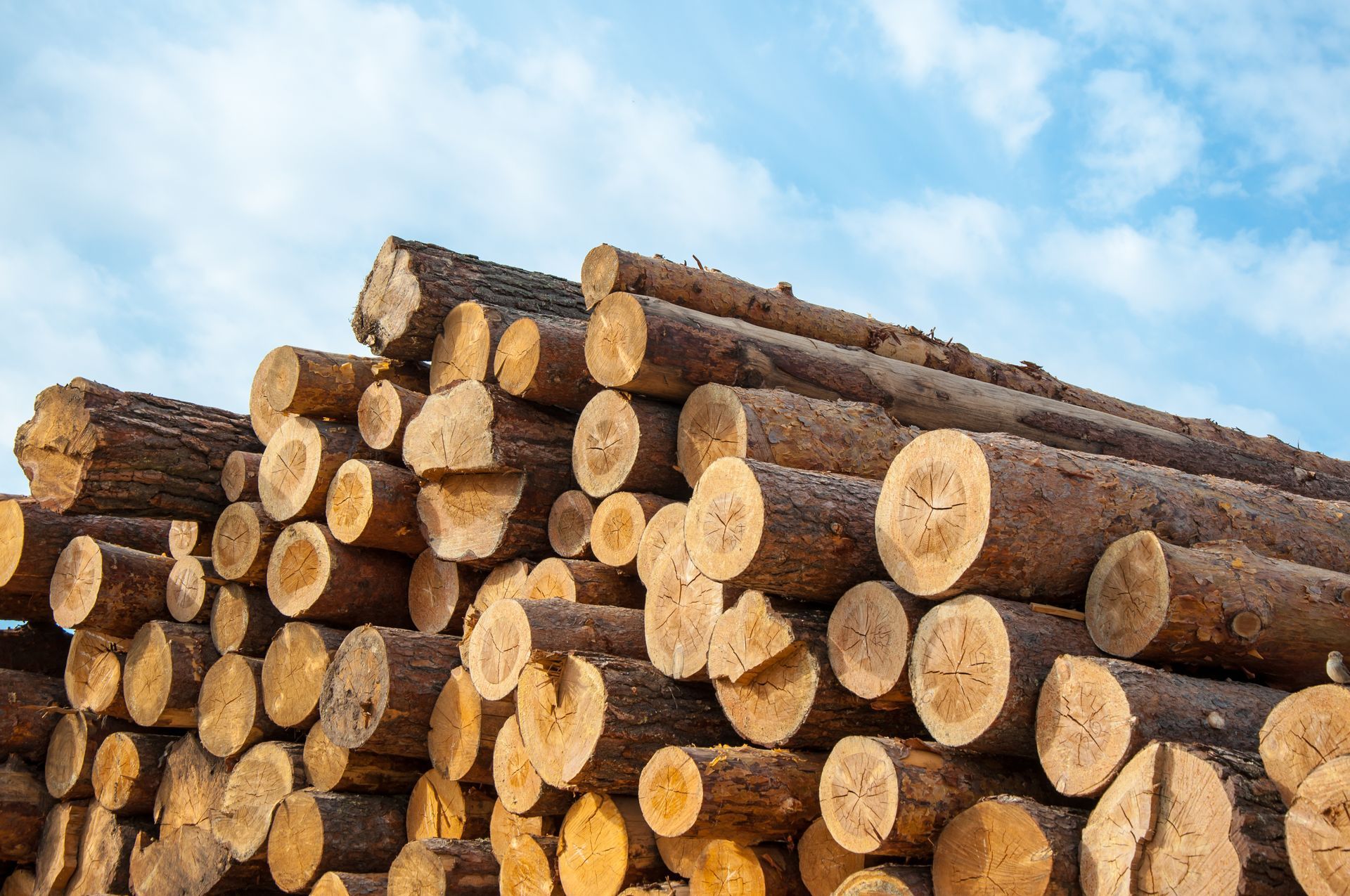
The Northern Rivers is home to some of the most demanding hardwood species in Australia. Coastal Blackbutt, Spotted Gum, Tallowwood, and Sydney Blue Gum are all commercially significant here, and each places different stresses on handling equipment. Blackbutt can reach a wood density approaching 900 kg per cubic metre, and Spotted Gum is similarly dense and abrasive.
Heavy hardwoods demand more from conveyor drives, deck chains, and sorting systems than softer plantation timbers. A chain deck rated for pine volumes may wear rapidly under constant Blackbutt throughput, leading to unplanned downtime and higher maintenance costs.
Mills in the Kyogle, Casino, and Grafton corridor also commonly process regrowth logs that vary significantly in diameter and taper. A log deck or single log feeder designed for consistent plantation sizes may struggle with this natural variability, causing jams, misalignment, and throughput bottlenecks.
The Four Equipment Categories That Matter Most
Log Decks and Single Log Feeders
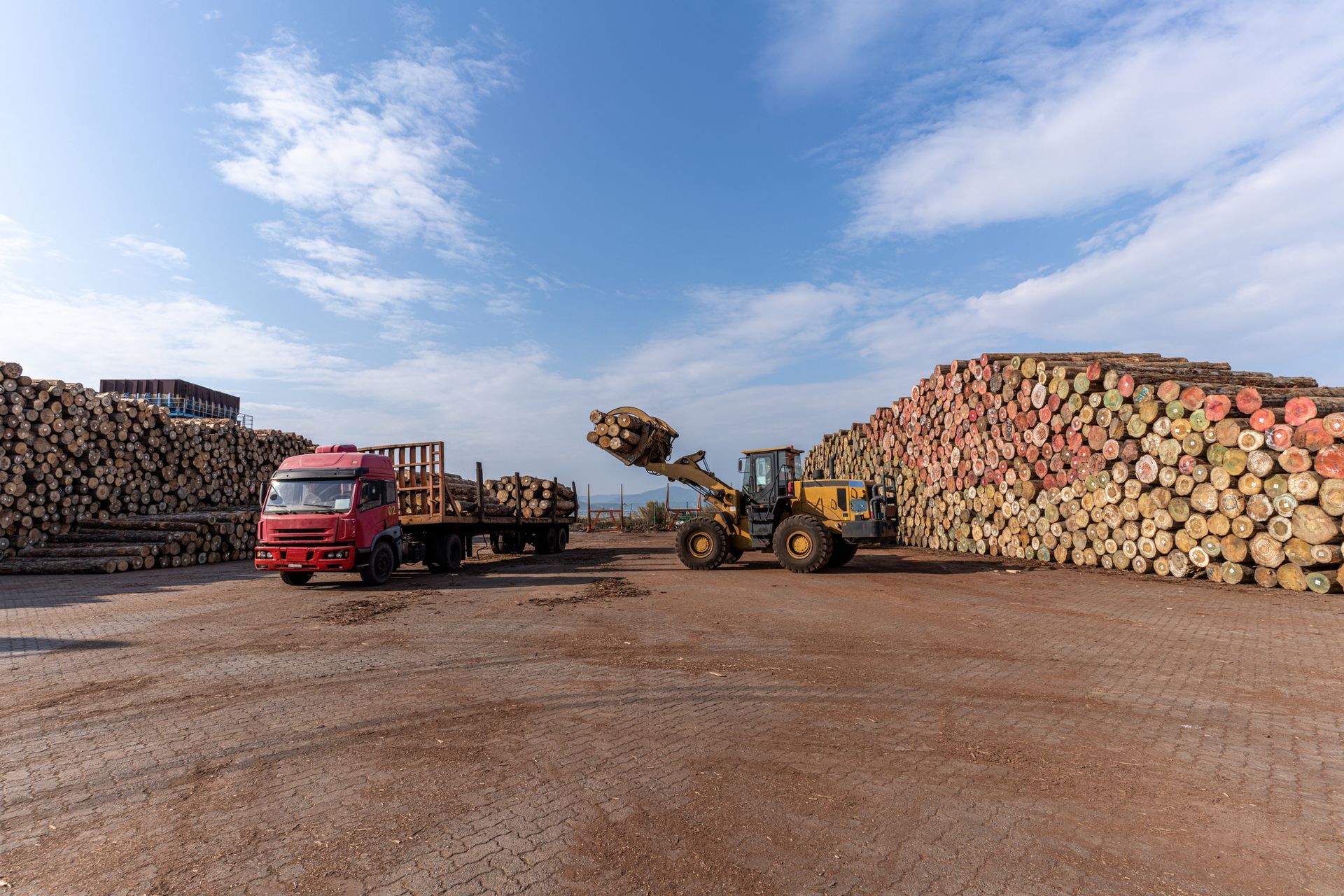
Log decks organise incoming logs and present them to the mill in a controlled, repeatable way. For small to medium Northern Rivers mills, a single log feeder improves feed consistency without the complexity of a fully automated infeed system. The key specification is whether the feeder can handle the diameter range and species density typical in your log intake.
Conveyors and Vibrating Transfer Systems
Conveyors move material between stations: headsaw to edger, edger to trimmer, and through to despatch. Vibrating conveyors are well-suited to sawmill environments because they generate low fines spillage, require minimal maintenance, and can include screening sections to separate sawdust from board flow. For mills processing high-gum-content species like Tallowwood, a vibrating conveyor reduces the sticky residue build-up that belt conveyors can suffer. Belt conveyors remain useful for longer runs and gentle handling of dressed boards through the dry mill.
Board Handling and Sorting Systems
After the headsaw, board handling is critical to throughput. Ending rolls, unscramblers, and chain decks keep boards oriented correctly before edging and trimming. For mills producing a mix of structural and feature grades, common in Northern Rivers hardwood operations, a well-designed sorting system reduces manual handling, improves grading accuracy, and cuts labour costs. Stacking and pack handling equipment, including scissor lifts and tilt hoists, completes the dry mill workflow and directly affects despatch efficiency.
Dry Mill Transfer Equipment
The dry mill is often where older equipment causes the most hidden losses. Dry mill transfers, stick placers, and planer infeed and outfeed systems must be matched to each other in speed and capacity. A planer infeed that cannot keep pace with kiln output wastes throughput. Mismatched speeds between infeed chains, feed rolls, and outfeed belt conveyors are a common bottleneck in mills that have added equipment piecemeal over the years.
What to Ask a Local Supplier Before You Commit
A good supplier should answer specific questions about your operation. Ask whether their equipment has been designed or tested with Australian hardwoods, particularly the dense eucalypt species common in the Northern Rivers. Ask what maximum log diameter and species density the equipment is rated for. Ask about spare parts availability within Australia and typical lead times for wear items like chain links and drive assemblies.
Ask whether the supplier can design and manufacture custom configurations. Off-the-shelf equipment often assumes a standard log size or throughput that may not match your mill layout. A supplier with in-house design and fabrication capability can engineer to suit your actual workflow. Properly specified timber handling equipment avoids costly retrofits later.
Red flags include suppliers who cannot provide local installation or service support, equipment with wear components sourced exclusively from overseas, and quotes that assume your operation is standard without a site visit or discussion of your timber mix.
Does Equipment Need to Be Custom Built for a Sawmill?
Not always, but custom engineering is often worth considering for mills processing high-density native hardwoods or variable log sizes. Standard machinery may suit softwood plantation mills, but Northern Rivers operations handling Blackbutt, Spotted Gum, or Tallowwood can benefit from equipment built to their exact specifications. Custom solutions also account for an existing mill layout, avoiding the cost of restructuring to fit off-the-shelf dimensions.
How Often Should Sawmill Conveyor and Handling Equipment Be Serviced?
Service frequency depends on throughput, species hardness, and operating environment. Heavy-duty drive assemblies, chain decks, and feed rollers in high-volume Australian hardwood mills may need inspection every few months. Preventive maintenance is almost always less costly than reactive repair, particularly for conveyor chains that can cause significant downstream damage if they fail mid-shift.
What Is the Biggest Cause of Throughput Loss in Timber Handling Systems?
Mismatched speeds and capacities between connected equipment stages are among the most common causes. A fast headsaw feeding into a slow conveyor, or a planer infeed that cannot keep pace with kiln output, creates queuing and manual intervention that can exceed losses from the primary machinery itself.
Talk to a Local Specialist Who Knows the Northern Rivers
McKeeco, based in East Lismore, NSW, has been designing, manufacturing, and installing sawmilling equipment and custom timber handling systems since the 1930s. Their team can engineer solutions to match your species, your volumes, and your existing mill layout. To discuss your requirements, call 02 6621 9544, explore the sawmill equipment range, or get in touch with the team to request a quote. You can also find and review McKeeco on Google Maps.